


In food production, the crates that carry the product are also surfaces the product touches. Cleaning crates with the same care after every use matters for hygiene as much as for keeping production organised. A crate washing machine makes this work more consistent and repeatable than washing by hand.
The limits of washing by hand
Washing crates by hand takes time and labour. More importantly, the result is never quite the same: at busy times, rushed crates can go back into production without being fully clean.
How the machine works
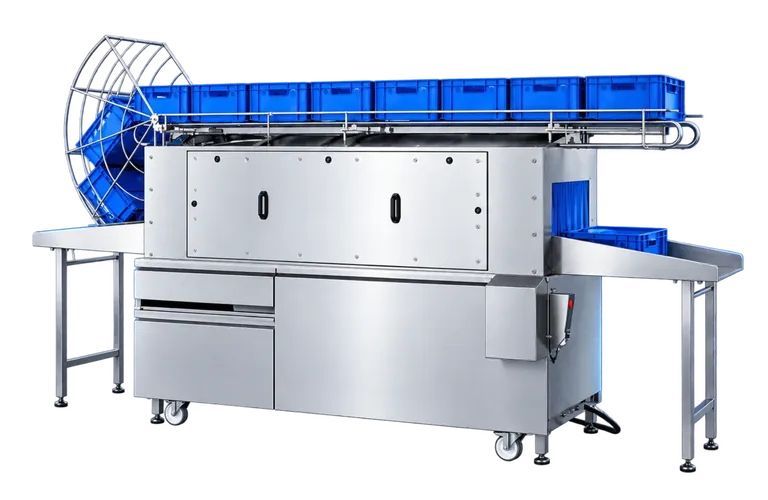
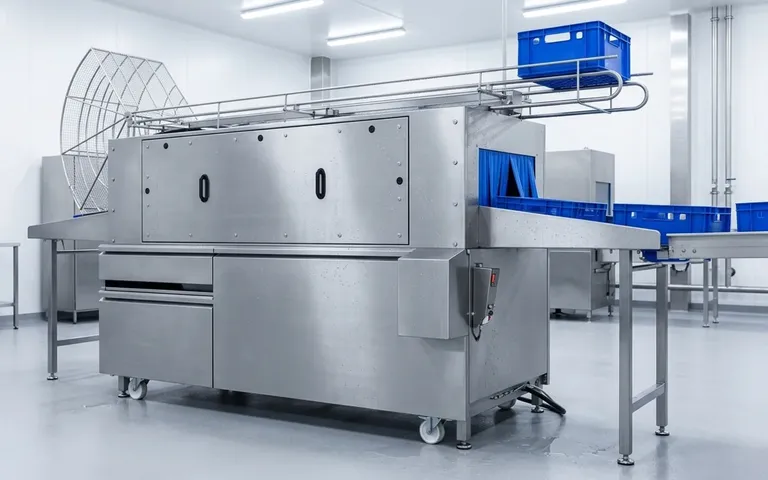
The Metaforge crate washing machine takes crates from a conveyor infeed table, carries them through the washing sections and delivers them to the outfeed table; a crate-turning cage makes emptying and loading easier. A strip curtain limits water splashing out, and a castor-mounted frame lets the machine be moved when needed. The body and tables are stainless steel.
Choosing the right machine
- Crate size: the machine should be designed around the size of the crates you use.
- Capacity: the number of crates washed per day and per hour sets the machine's length and layout.
- Layout: placing the infeed and outfeed tables along the production flow keeps dirty and clean crates apart.
- Site connections: water, drainage and power at the installation point should be planned from the start.
Which businesses is it for?
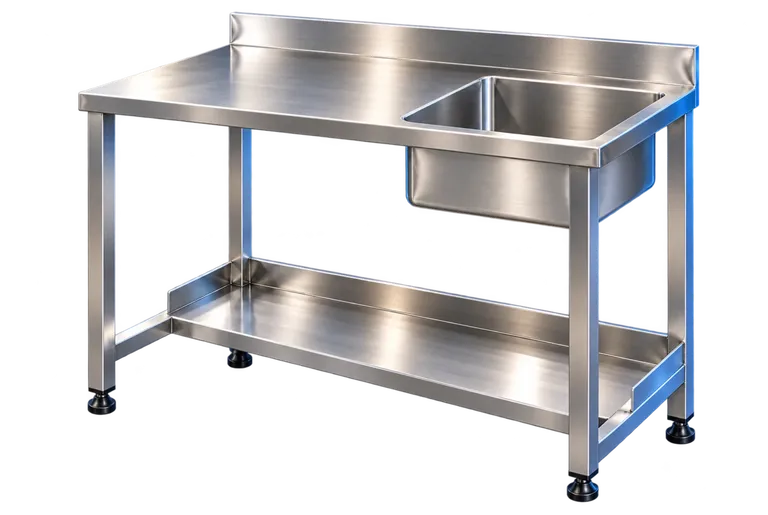
Crate washing machines suit food production plants and packing areas that use plastic crates, and any business where crates circulate regularly. See how it is used alongside stainless steel tables for preparation and packing on our food production page.
Built to your crate size
We design the machine around your crate size and required capacity. Share your crate size and daily washing needs through our contact page.